Human Impact in the Community

Stronger communities begin with the people inside them.

The pressure people carry doesn't stay personal. Stress, overwhelm, financial pressure, isolation, health concerns and relationship strain shape the way we communicate, parent, connect, make decisions and respond to one another.

Over time, those individual experiences become collective ones.

Human Impact in the Community brings practical, evidence-informed education into the places people already live, gather and belong — helping people better understand themselves, navigate stress, strengthen relationships and build the human capabilities that support healthier, more connected communities.

The pressure we're living in

We're living more connected lives — and many people feel increasingly disconnected.

Community wellbeing can't only begin once somebody reaches crisis. There is enormous value in helping people understand what's happening before they get there.

Modern life asks a great deal of people.

Economic uncertainty, cost-of-living pressure, constant digital stimulation, demanding work, caring responsibilities, health concerns and relationship strain can accumulate quietly until operating under stress starts to feel normal.

Many people simply keep going. But what happens within a person rarely stays within that person.

Stress influences how we interpret situations, communicate, respond to conflict, connect with others and care for ourselves. When that pressure is carried for long enough, its effects can extend through families, workplaces, schools and communities.

THE IMPACT BEGINS WITHIN

What we carry within us becomes part of what others experience.

The community ripple effect

A community is shaped by the state of the people inside it.

Stress, shame, isolation and disconnection rarely stay private. They can show up in relationships, households, classrooms, workplaces, neighbourhoods and local systems.

The opposite is also true. When people become more aware of their patterns, recognise what stress is doing within them, communicate more clearly, ask for support and respond with greater intention, something begins to shift.

One person

01 / 04

Ripple 01

A parent

can change the emotional climate of a home.

The impact begins within the individual, but it never ends there. That is the community ripple effect.

Building human capability

Social impact begins with human impact.

We often look at community wellbeing through the problems we can see: mental distress, family breakdown, loneliness, poor health, conflict, disengagement and pressure on social services. Human Impact also asks what sits beneath them.

  • 01

    How well do people understand themselves?

  • 02

    Can they recognise stress before it becomes overwhelm?

  • 03

    Do they understand the connection between their physiological state, emotions, thoughts and behaviour?

  • 04

    Can they communicate what they need, navigate difficult emotions and remain connected to other people when life gets hard?

These are human capabilities. And while they don't remove every challenge people face, developing them can give people greater awareness and agency in how they meet those challenges.

Self-awareness

Understanding our patterns helps us notice when we're reacting automatically and creates space to respond differently.

The goal isn't to place responsibility for complex social problems entirely on individuals. It's to increase the capability people have within the circumstances they are navigating.

CAPABILITY IN ACTION

What people can access under pressure shapes how they show up for one another.

Ways we create community impact

Education that meets people where they are.

Human Impact community work can range from a single public session to a longer-term partnership shaped around a specific community, population or need.

Presentations & Workshops

Accessible, practical education for councils, schools, community organisations, groups and events. Sessions can explore stress, self-awareness, emotional regulation, relationships, communication, mental health and human behaviour — translated into tools people can use in everyday life.

Start a Conversation →

Mental Health First Aid Training

Licensed Mental Health First Aid training that helps participants recognise when someone may be experiencing a mental health problem or crisis, approach with greater confidence and guide them towards appropriate professional support.

Explore MHFA Training →

Partnerships & Place-Based Initiatives

For councils, schools, not-for-profits, local organisations and funders looking beyond a one-off event. Together, we can shape education, pilot programs or longer-term initiatives around the people, context and need.

Start a Conversation →

Mental Health First Aid

Building communities that know how to respond when someone is struggling.

Most of us will know a family member, friend, colleague or someone in our community who experiences a mental health problem at some point in their life. Yet knowing that someone is struggling and knowing what to say or how to help are two very different things.

Mental Health First Aid training gives everyday people practical, evidence-based skills to recognise signs that someone may be experiencing a mental health problem or mental health crisis, approach them with greater confidence and guide them towards appropriate professional support.

Grounded in research and informed by lived experience, the training helps strengthen mental health literacy while making conversations about mental health feel more approachable.

Because support doesn't only happen inside health services. It happens in families, friendships, workplaces, sporting clubs, community groups and everyday conversations between people who notice that something isn't right and know how to respond.
1 in 5

Australians will experience mental health problems in any given year.

Mental illness

Now affects every Australian, either directly or indirectly.

75 per cent

Of all mental health problems emerge before the age of 24.

Topics

Shaped around the people in the room.

Every community is different, so sessions can be adapted around the audience, setting and purpose.

Stress & Emotional RegulationMental Health LiteracyWomen's Health & Body LiteracyHealth, Belief & BehaviourCommunication & RelationshipsInside-Out LeadershipAccountability, Belonging & Connection

BEYOND A SINGLE EVENT

Meaningful social impact begins by understanding the people, the context and the need.

Partnerships

Some work needs more than a one-off event.

The aim is work alongside communities to understand what people are experiencing.

Longer-term community work should be shaped with people, not simply delivered to them. We begin by listening to what is already happening, what support exists and where a practical gap may remain.

The Human Impact Project is open to partnerships with councils, schools, community organisations, not-for-profits, local businesses, health and social-impact organisations and aligned funders seeking practical ways to strengthen capability within their communities.

A partnership might begin with a workshop, community conversation, parent evening, public presentation or Mental Health First Aid training. From there, it may develop into a place-based education program, funded pilot, community wellbeing initiative or series of targeted interventions shaped around an identified need.

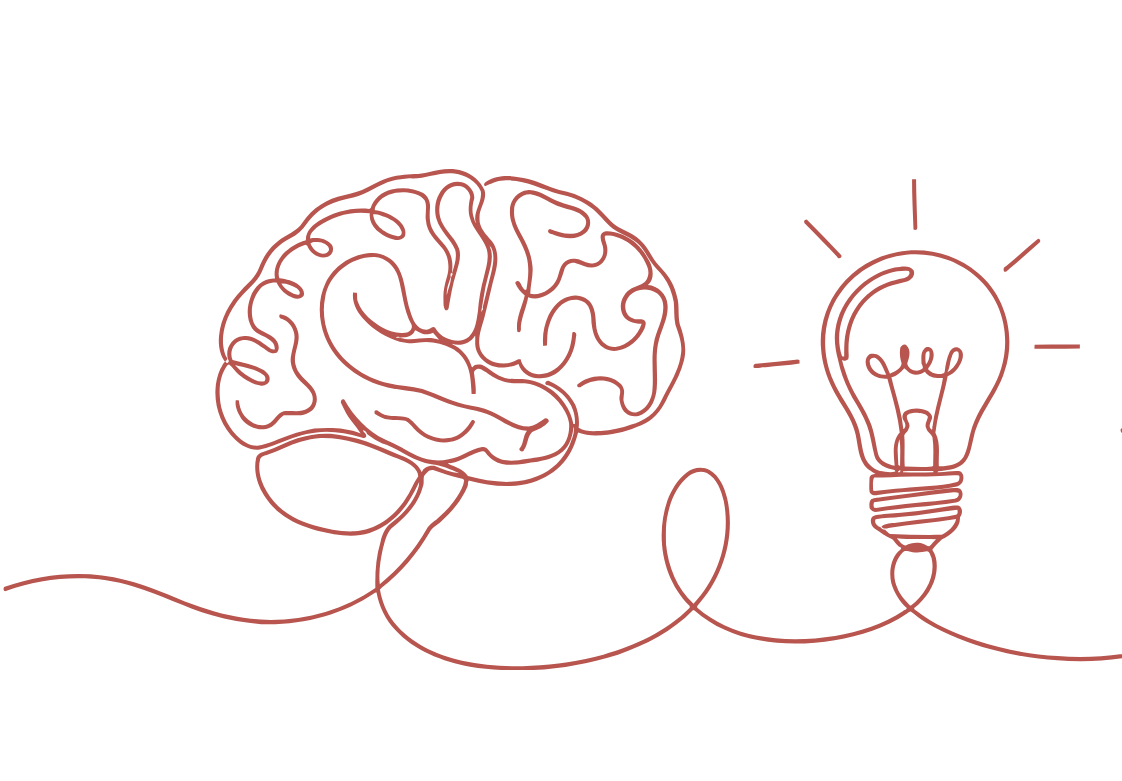
Line illustration of a brain connected to a lightbulb — research and insight

HUMAN IMPACT INSIGHTS

Research grounded in the science of being human.

Human Impact brings together insights from neuroscience, psychology, health science, behavioural science, leadership research, contemplative practice and systems thinking, with careful attention to what the evidence actually supports.

Our Research Library makes that knowledge accessible, linking back to original research alongside plain-language summaries exploring why it may matter in everyday life. Because meaningful social impact requires more than good intentions.

Articles

Ideas for community, connection and everyday human impact.

Explore articles on mental health literacy, personal development, emotional regulation, connection and belonging, health, behaviour and human potential.

View all articles →
Community

The distance between having support and using it.

Why support exists in most communities and still doesn't reach the moment someone actually needs it.

Mental Health Literacy

What to say when someone isn't okay.

Recognising distress is one skill. Responding in a way that keeps the conversation open is another.

Personal Development

The state beneath the behaviour.

Behaviour is usually the last thing to change. Understanding what sits underneath it is where change begins.

Stronger communities aren't built somewhere outside of us.

They're shaped every day through the way people relate, communicate, care, respond and participate. If you're planning a community event, looking for Mental Health First Aid training, exploring a wellbeing initiative or considering a broader partnership, we'd love to understand what you're working towards.